Looking for a full-frame Sony camera that delivers on both performance and practicality? You’re not alone. Two standout contenders are the Sony A7C and the Sony A7III. While both pack serious image power, they cater to slightly different users. The A7C is compact, built for everyday creators and travelers. The A7III? It’s the all-rounder — a performance beast trusted by pros and enthusiasts alike.
Let’s make long story short: The Sony A7III is the standout choice for photographers who demand versatile performance, professional features, and outstanding value. It combines robust autofocus, full‑frame 4K video, dual memory slots, and class‑leading ergonomics. While the Sony A7C brings a compact body and excellent travel portability, for most creators who want a camera that does everything and lasts years, the A7III is the smarter long‑term choice.
Why Do I Recommend the Sony A7III?
- Premium autofocus & subject tracking: With 693 phase‑detect AF points covering around 93% of the frame, the A7III effortlessly nails focus on moving subjects and eyes.
- 4K video across stills & motion: Full‑frame 4K recording (oversampled), combined with 5‑axis in‑body stabilization, makes it perfect for hybrid shooters.
- Dual card slots & battery power: Two SD slots plus Sony’s NP‑FZ100 battery translate into fewer compromises in the field.
- Pro‑grade build, value price: While tech moves fast, the A7III remains a benchmark for full‑frame performance at a price under many flagship models.
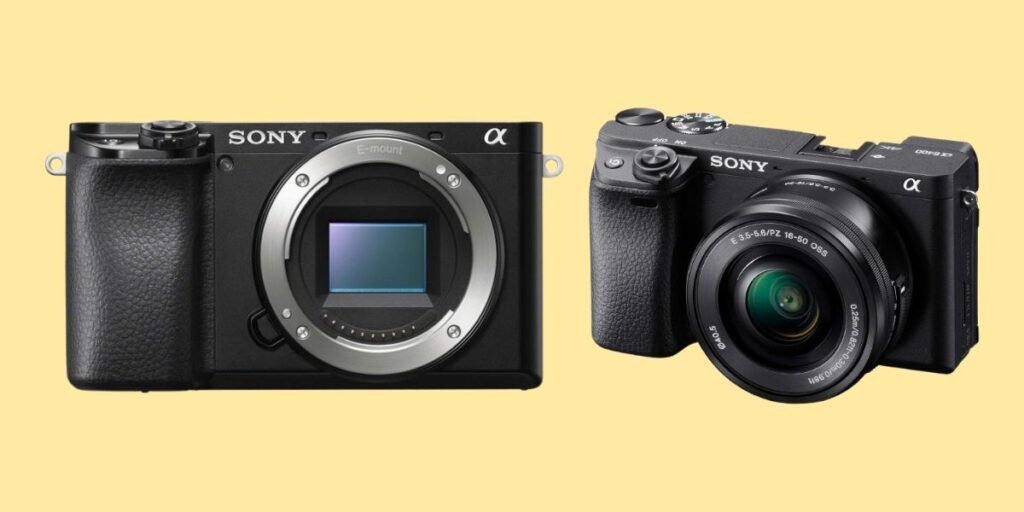
Detailed Comparison & Recommendation
| Feature | Sony A7III | Sony A7C | Winner & Why |
|---|---|---|---|
| Autofocus Coverage | 693 phase‑detect AF points (~93% area) | Similar AF structure but paired with smaller body | A7III wins due to full‑size body stability and better handling |
| Video Capability | 4K full‑frame (oversampled) | Also 4K, but with compromises for compact size | A7III wins for motion and hybrid work |
| Dual Card / Battery Setup | Dual SD + large battery | Single slot + smaller body battery life | A7III wins for serious workflow |
| Size & Weight | Larger body (650 g) | Compact body (~509 g) | A7C wins for portability |
| Value & Ecosystem | Excellent full‑frame value | Strong value if portability is top priority | Tie depending on priority |
| Check Best Seller | Check Sony A7III Lowest Price | Check Sony A7C Lowest Price | Check Best Seller Offers |
What Are the Major Differences Between Sony A7C vs A7III?
- Prioritizing portability or performance? The A7C wins the lightness and travel‑friendly design battle—it’s ~22% lighter and significantly smaller than the A7III.
- Workflow and reliability: A7III offers dual memory slots, better battery life, and stronger ergonomic control, which matter for hybrid creation or pro use.
- Video and stabilization: Both offer strong video specs, but A7III’s stability, full‑frame strength, and interface give it the edge for creators.
- Long‑term investment: While the A7C is a great option for portability‑focused needs, the A7III is more future‑proof for varied shooting scenarios and lens compatibility.
Check Sony A7III Limited Time Deal Here
What Users Are Saying
| Feedback Category | Sony A7III Feedback | Sony A7C Feedback |
|---|---|---|
| Autofocus Precision | “Lock‑on eye AF tracks beautifully even in movement.” | “Amazing small size, auto‑focus impressive for the budget.” |
| Video & Hybrid Use | “4K, hybrid stills–motion, plus battery life makes it a full‑time body.” | “Great travel companion, though battery and operation feel tighter.” |
| Portability & Build | “Full‑frame power in a body that still handles all lenses easily.” | “Light enough for travel, great for vloggers and street work.” |
| Value & Longevity | “Plenty of premium features at a price well under flagship models.” | “Excellent value, but might feel limiting for heavier professional use.” |
| Recommended Best Seller | Check Sony A7III Lowest Price | Check Sony A7C Lowest Price |
Fair Advice to Consider
- Choose the Sony A7III if you shoot photo + video, want reliability, and aim for one body that can grow with your needs.
- Opt for the Sony A7C if portability and travel ease are your top priorities and you shoot mostly stills or lightweight projects.
- Make sure your lens collection and shooting style align: larger bodies can benefit from larger lenses; compact bodies suit lighter setups.
- Don’t assume the smaller body automatically wins—the feature sacrifices matter if you need performance over convenience.
Quick Comparison
| Spec | Sony A7III | Sony A7C |
|---|---|---|
| AF Points & Coverage | 693 phase‑detect (~93% frame) | 693 points but smaller body |
| Video | Full‑frame 4K oversampled | 4K capable but trade‑offs |
| Dual Memory / Battery | Yes (2 slots) & larger battery | Single slot, more compact build |
| Size & Weight | 650 g approx. | 509 g |
| Ideal Use Case | All‑round photo & video powerhouse | Travel & portability‑focused |
| Recommended Best Seller | Check Sony A7III Lowest Price | Check Sony A7C Lowest Price |
Quick Summary
If you want one camera body that performs at a professional level across stills and video, and gives you future‑ready reliability the Sony A7III is the clear winner. For those prioritizing lightweight portability and simpler workflows, the Sony A7C offers excellent value but with some compromises.
FAQs
Can I use the same FE lenses on both?
Yes! Both share the Sony E‑mount and give full compatibility.
Is the A7C’s battery life significantly lower?
Yes—its compact size means less room for large batteries compared to the A7III.
Are both ready for serious video work?
Yes—but A7III offers better stabilization, dual card support, and pro‑tier features.
Does lighter mean weaker performance?
Not exactly—it’s more about trade‑offs between size and functionality.
Final Verdict
Go with the Sony A7III—the full‑frame camera that delivers legendary performance, excellent value, and reliability you can depend on. If you’re ready to invest in your craft and want gear that keeps up with your ambitions, the A7III is the camera that lifts you higher.
Jump To