If you’re upgrading your home network, you want a mesh system that doesn’t just look good on paper—but performs reliably in your living room, handles dozens of devices, and supports your current internet plan without waste. The Pro 6E gives you solid performance today with Wi‑Fi 6E and mesh flexibility. The Max 7 promises ultra‑future Wi‑Fi 7 performance, but at a steep cost and with many devices still not fully ready for it.
Let’s make long story short: eero Pro 6E: Excellent mesh Wi‑Fi 6E system strong speeds, reliable coverage, great value for typical homes. eero Max 7: Cutting‑edge Wi‑Fi 7 router, ultra high specs, premium price only justifiable if you’re outfitting tomorrow’s ultra‑fast devices and multi‑gig speeds today. Winner? Pro 6E Because for most homes right now, it hits the sweet spot between performance, value, and reliability.
Why Do I Recommend the Pro 6E?
- Fully capable for today’s needs – The Pro 6E supports tri‑band Wi‑Fi 6E including the 6 GHz band, giving you significantly more clean spectrum for multiple devices.
- Mesh flexibility with proven value – Covers up to ~2,000 sq ft per unit and supports high device counts, making it perfect for typical homes and families.
- Smart home hub built‑in – The Pro 6E supports Zigbee, Thread and Matter, so you’re not just buying Wi‑Fi—you’re upgrading your smart‑home backbone too.
- Significantly better value – You get high performance today without paying the premium required for Wi‑Fi 7 hardware that many of your devices can’t yet fully leverage.
- Reliability & maturity – Wi‑Fi 6E is well supported, mature and delivers excellent real‑world performance. The Max 7 is exciting—but many reviews point to diminishing returns unless you’re fully upgraded already.
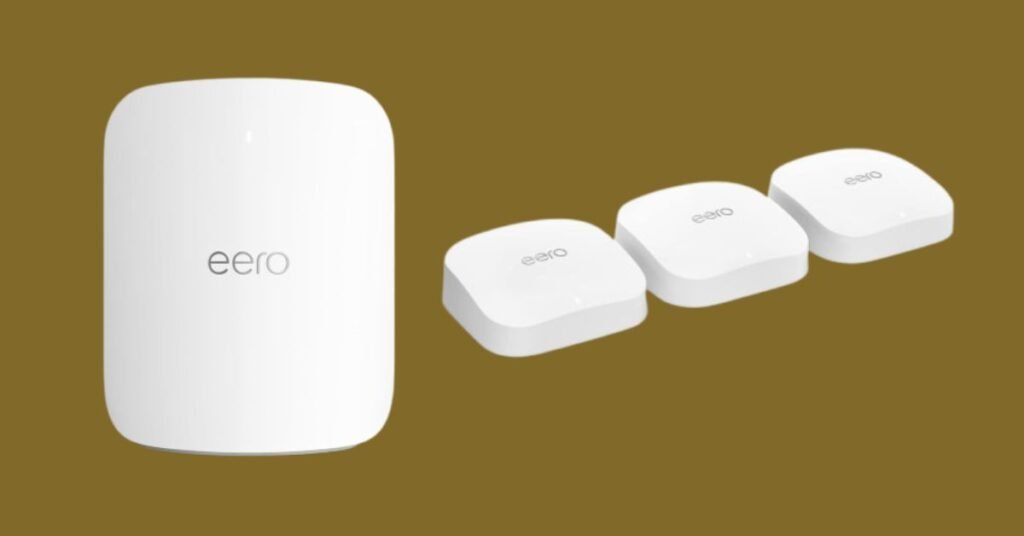
Detailed Comparison & Recommendation
| Feature / Spec | Pro 6E | Max 7 | Which Is Best & Why? |
|---|---|---|---|
| Wi‑Fi Standard & Bands | Wi‑Fi 6E tri‑band (2.4 / 5 / 6 GHz) | Wi‑Fi 7 tri‑band (2.4 / 5 / 6 GHz) | Pro 6E wins for today’s compatibility; Max 7 wins for future spec |
| Max Theoretical Speeds | ~2.3 Gbps wired, strong wireless in 6 GHz band | Up to 9.4 Gbps wired, ~4.3 Gbps wireless | Max 7 wins in raw numbers—but practical benefit in current homes may be minimal |
| Ports & Backhaul | Standard multi‑gig options, fewer ports | Two 10 GbE + two 2.5 GbE ports | Max 7 wins for wired backbone, but most homes may not need it |
| Coverage & Mesh Scale | Up to ~2,000 sq ft per unit | Up to ~2,500 sq ft per unit | Max 7 offers slightly greater coverage—but Pro 6E is ample for many homes |
| Price & Value | Mid‑high tier, great value | Premium price tag for premium specs | Pro 6E wins for value; Max 7 only if you’ll use the extra spec |
| Best Suited For | Homes with gigabit internet, many devices, smart home focus | Homes with multi‑gig internet, Wi‑Fi 7 clients, long term future‑proofing | Pro 6E better for most today; Max 7 better for “all‑in” future setup |
| Check Best Seller | Check eero Pro 6E Lowest Price | Check eero Max 7 Lowest Price | Check Best Seller Offers |
What Is the Major Difference Between Pro 6E vs Max 7 specs
- Usage reality: Pro 6E offers time‑tested performance right now; Max 7 offers brainy specs that may only become meaningful as devices and internet plans catch up.
- Performance vs utility: Max 7’s massive numbers are impressive—but only if you deploy multi‑gig backhaul, many nodes and Wi‑Fi 7 clients. Pro 6E delivers strong everyday speeds now.
- Investment strategy: Pro 6E balances cost and performance; Max 7 is a premium investment for future readiness.
- Compatibility & practical fit: If your home doesn’t have 10 Gbps internet or Wi‑Fi 7 devices yet, Pro 6E gives you excellent real‑world value.
Check eero Pro 6E Limited Time Deal Here
What Users Are Saying
- “The eero Pro 6E made setup effortless and handled 100+ devices without a hitch.”
- “The Max 7 looks incredible on paper with 10‑gig ports—but with only Wi‑Fi 6 devices I couldn’t get full benefit yet.”
Fair Advice to Consider
- Choose Pro 6E if you want: • Excellent current performance, Wi‑Fi 6E support, smart‑home hub • Value for money and a network future‑proofed for several years
- Consider Max 7 if you: • Have multi‑gig internet, Wi‑Fi 7 client devices, need ultra wired backbone • Are building a large home network top‑to‑bottom and want the latest tech now
- Note: Both systems are strong. The key question is: Will you use the extra capacity and ports of Max 7 today? If not, Pro 6E is smarter buying today.
Quick Comparison – Spec Highlights
- Pro 6E: Wi‑Fi 6E tri‑band, great speed/capability, ideal for now and near‑future.
- Max 7: Wi‑Fi 7 tri‑band, top‑tier ports, elite setup for home‑network power users.
Quick Summary
In plain terms: If you’re upgrading your home network right now and want strong performance without overspending, the Pro 6E is your go‑to. If you’re investing for many years ahead, have the infrastructure and devices to match and budget isn’t a constraint the Max 7 is the router‑powerhouse.
FAQs
Will I see a big difference right away with Max 7?
Maybe not. Unless you already have Wi‑Fi 7 devices and multi‑gig internet, you’ll likely hit just above Pro 6E’s levels today.
Are both mesh‑capable and expandable?
Yes — both work within the eero ecosystem and are compatible with other eero nodes.
Which is easier to manage?
Both use the eero app. Pro 6E might be simpler today because you won’t worry about over‑capacity.
Is upgrade later easy?
Yes — with both systems you can add nodes or mix models, but best results come from matching tech generation.
Should I wait for Wi‑Fi 7 to mature?
If your current setup meets your needs, waiting could save money. If you’re behind or need a network boost now, Pro 6E is a strong buy.
Final Verdict
If I were right there with you: “Get the system you’ll still be thanking yourself for in five years—but not paying for technology you won’t use yet.” For most households today, the eero Pro 6E checks all the boxes: performance, value, smart home features and future‑readiness. The eero Max 7 has incredible potential—but unless you’re already primed to use it, it’s a premium you might not fully leverage.
Jump To